
What to Do After a Tree Is Removed from Your Property
Most property owners put all of their focus and energy into the tree removal process itself and give very little thought to what comes next. But what you do with your property after a tree comes down is just as important as the removal itself. The space left behind represents a genuine opportunity to improve your landscape, address any residual issues, and add real value to your outdoor environment. Approaching the post removal phase with a clear plan makes the most of that opportunity. Keep reading to find out what steps to take after a tree is removed.
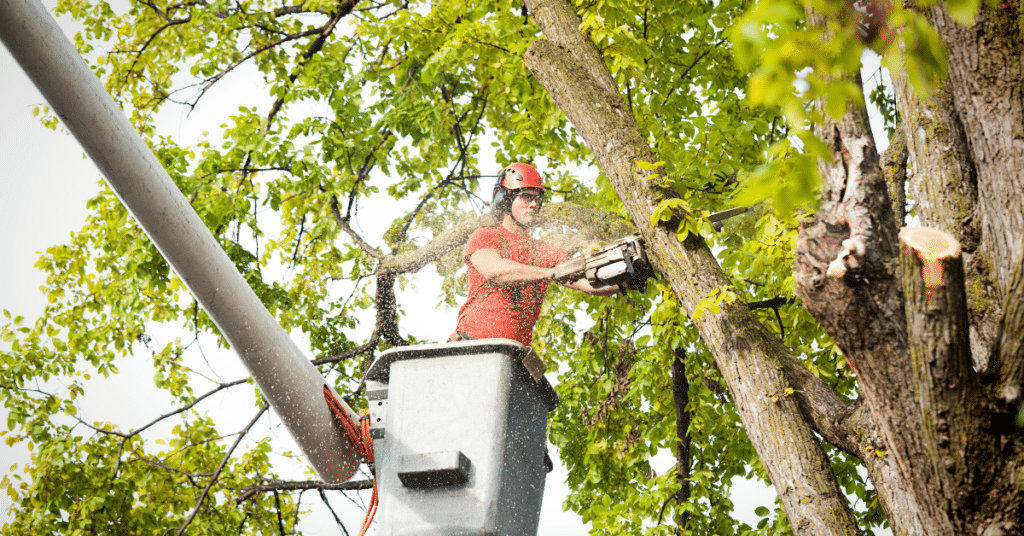
Making the Most of Your Property After Tree Removal
The work does not end when the tree comes down. Property owners who plan ahead and work with tree removal Atlanta GA professionals know that the post removal phase is where some of the most impactful improvements to your landscape can happen. Here is how to approach it strategically.
Address the Stump Before It Becomes a Problem
First and foremost, the stump left behind after a tree removal needs to be dealt with promptly to prevent a range of problems from developing over time. An untreated stump becomes a magnet for termites, carpenter ants, and other wood boring insects that can eventually make their way into nearby structures. Stumps also continue sending up new shoots that require ongoing maintenance if left in place.
Assess the Health of Surrounding Trees
Furthermore, once a tree has been removed it is the perfect time to have a professional assess the health and structural integrity of the remaining trees on your property. Trees that were growing in close proximity to the removed tree may have been competing for nutrients, water, and light in ways that affected their development. A thorough assessment by a certified arborist identifies any concerns with neighboring trees and gives you a clear picture of the overall health of your landscape. Addressing any issues identified at this stage prevents future problems before they escalate into expensive emergencies.
Plan How to Use the Newly Opened Space
Another exciting aspect of the post removal phase is the opportunity to reimagine and redesign the space that the tree previously occupied. Whether you want to install a garden bed, lay fresh sod, add a patio or seating area, or plant a new tree species better suited to your landscape, the cleared space gives you a blank canvas to work with. Taking time to think through how you want to use that space before rushing into any new plantings or installations ensures that whatever comes next genuinely enhances your outdoor environment rather than simply filling the gap.
Replenish the Soil Before Planting Anything New
Finally, the soil in the area where a large tree was removed often needs attention before it can effectively support new plantings. Tree roots draw significant nutrients from surrounding soil over many years, leaving it depleted and sometimes compacted in ways that make it inhospitable to new growth. Having the soil tested and amended with the appropriate nutrients and organic matter before planting gives whatever comes next the best possible foundation for healthy and vigorous growth.
Conclusion: Making the Most of Your Property After Tree Removal
To wrap it all up, what happens after a tree is removed is just as important as the removal itself. Addressing the stump, assessing surrounding trees, planning your new space thoughtfully, and replenishing the soil are the steps that transform a removal site into a genuinely improved landscape. Do not treat the post removal phase as an afterthought. Approach it with a clear plan and take full advantage of the opportunity to make your outdoor space better than it was before.
Recent Comments