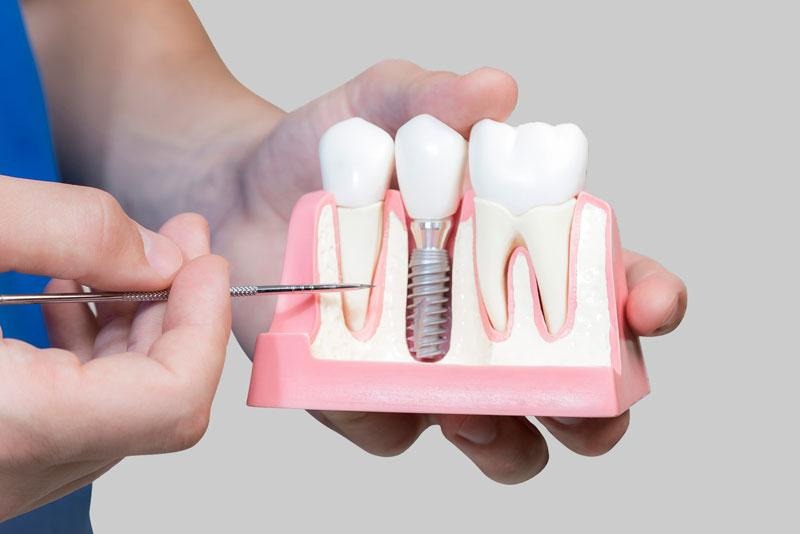
What to Expect During the Dental Implant Procedure: A Step-by-Step Overview 

Getting a dental implant might sound intimidating at first, but knowing what to expect can make the experience much smoother. Dental implants are one of the most reliable and natural-looking ways to replace missing teeth. While the process takes some time, the results are long-lasting and worth the effort.  
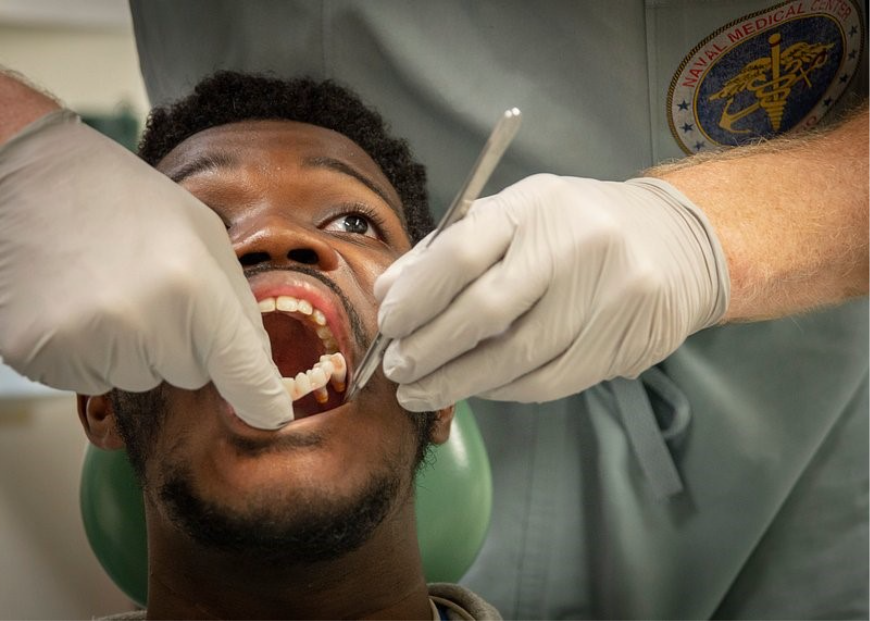
Things to Expect During a Dental Implant Procedure 

Here’s a step-by-step look at what happens during the dental implant. So, if you’re planning to get dental implants in Raleigh NC, read on! 

Step 1: The Initial Consultation 

Every dental implant journey begins with a thorough consultation. Your dentist or oral surgeon will examine your mouth, take X-rays or 3D scans, and review your medical history. This helps determine whether you’re a good candidate for implants. 

During this visit, you’ll also discuss treatment options, timelines, and costs. If your jawbone isn’t thick enough or healthy enough, your dentist may recommend a bone graft before moving forward.  

Step 2: Preparing for Surgery 

Once you’re cleared for implants, your dentist will schedule the procedure. Leading up to surgery, you may receive instructions such as avoiding certain medications or fasting for a few hours. If a tooth needs to be removed first, that might be done in a separate appointment or on the same day as the implant placement. 

If you require a bone graft, that procedure comes before the implant and may take several months to heal before moving to the next phase.  

Step 3: Placing the Implant 

The main event involves surgically placing the titanium implant into your jawbone. This is typically done under local anesthesia, although sedation options may be available for added comfort. 

Your dentist will make a small incision in your gum to access the bone, then carefully place the implant. The gum is stitched closed afterward, and you’ll be sent home with aftercare instructions. 

Step 4: Healing and Osseointegration 

This stage is where the magic happens. Over the next few months, your jawbone will naturally grow around the implant in a process called osseointegration. This creates a solid foundation, just like a real tooth root. 

During this healing time, your dentist may provide a temporary crown or denture to maintain your smile and bite. It’s important to follow all care instructions, including keeping the area clean and attending follow-up visits. 

Step 5: Attaching the Abutment and Crown 

Once the implant has fully integrated, it’s time for the final steps. First, your dentist places an abutment—a small connector that links the implant to your crown. This might require a minor procedure to expose the implant beneath your gums. 

Next, a custom-made crown is attached to the abutment. This crown is designed to match your natural teeth in color, shape, and size. When it’s in place, your smile will look and feel complete. 

Conclusion: Things to Expect During a Dental Implant Procedure 

The dental implant procedure may take several months from start to finish, but the result is well worth it. You’ll gain a strong, natural-looking tooth that can last for decades with proper care. By understanding each step of the process—from consultation to crown—you’ll feel more at ease and prepared. If you’re ready to restore your smile, talk to your dentist about whether implants are the right choice for you. 
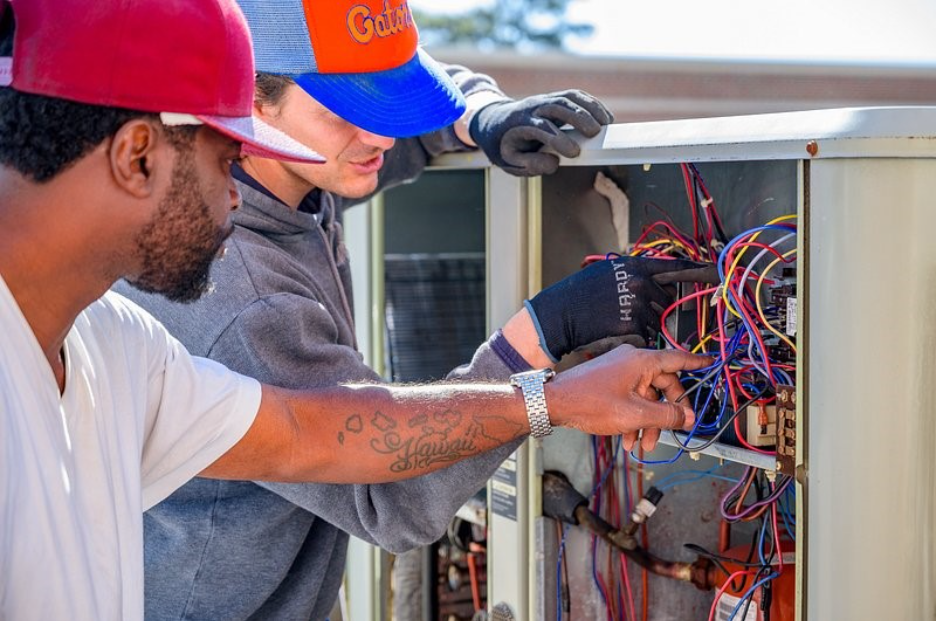
How Much Does It Cost to Hire an Electrician? A Breakdown by Service Type 

Hiring an electrician can feel like a mystery if you’re not familiar with typical pricing structures. Whether you’re dealing with a flickering light, planning a full rewiring job, or installing a new panel, it helps to know what you might expect to pay.  

How Much Does Hiring an Electrician Cost? 

While rates vary based on your location, project complexity, and the electrician’s experience, this guide breaks down common electrician Charleston SC service types and their average costs to give you a better sense of what to budget. 

Hourly Rates vs. Flat Fees 

Electricians typically charge by the hour or offer flat-rate pricing for specific services. Hourly rates for licensed electricians usually range from $75 to $150 per hour, depending on their expertise and the region. However, for straightforward jobs—like outlet replacement or ceiling fan installation—some electricians may charge a flat rate instead, which can save you money if the job is quick. 

Emergency or after-hours calls often come with premium rates, sometimes double the regular hourly cost, especially for urgent repairs on nights or weekends. 

Small Jobs: Repairs and Fixture Installation 

For minor electrical work, costs are relatively affordable. Here’s what you might expect: 

  • Outlet or switch replacement: $100–$200 per unit 
  • Ceiling fan installation: $150–$300 (excluding the cost of the fan) 
  • Light fixture replacement: $125–$250 per fixture 
  • Smart thermostat installation: $150–$300 

These projects are usually completed within a few hours, and many electricians provide a flat fee that includes labor and minor materials. 

Medium-Sized Projects: Circuit and Wiring Upgrades 

More involved projects that require changes to your home’s electrical infrastructure will naturally cost more. For example: 

  • Installing a dedicated circuit for an appliance: $250–$450 
  • Upgrading wiring in one room: $500–$1,000 
  • Electric car charger installation: $500–$1,200 depending on the charger and location 

These tasks involve more planning, permits, and inspection, which add to the total cost. 

Large Projects: Panels, Rewiring, and Whole-Home Upgrades 

If your electrical system is outdated or can’t handle your home’s current energy demand, a major upgrade may be necessary. These large-scale projects come with higher costs: 

  • Service panel upgrade (100 to 200 amps): $1,500–$3,000 
  • Whole-home rewiring: $4,000–$10,000+ 
  • New construction wiring: $8,000–$15,000 depending on square footage 

These jobs require extensive labor, materials, coordination with your utility provider, and sometimes even temporary power shutoffs. 

Factors That Influence the Final Price 

Several elements can affect how much you’ll ultimately pay for an electrician’s services: 

  • Permit and inspection fees: Required for most large projects 
  • Accessibility: Hard-to-reach areas may require more labor 
  • Material quality: Higher-end components increase the bill 
  • Travel charges: For homes located far from the electrician’s base 

Always ask for a written estimate before work begins. Reputable electricians will walk you through what’s included and provide transparent pricing. 

Conclusion: How Much Does Hiring an Electrician Cost? 

Hiring an electrician is an important investment in your home’s safety and functionality. Whether you’re planning to install an electrical outlet or a major overhaul, understanding the typical costs by service type can help you budget wisely and avoid surprises. Always hire a licensed and insured professional, and never cut corners on electrical work—quality craftsmanship pays off in peace of mind and long-term reliability. 

What to Do After a Tree Is Removed from Your Property

Most property owners put all of their focus and energy into the tree removal process itself and give very little thought to what comes next. But what you do with your property after a tree comes down is just as important as the removal itself. The space left behind represents a genuine opportunity to improve your landscape, address any residual issues, and add real value to your outdoor environment. Approaching the post removal phase with a clear plan makes the most of that opportunity. Keep reading to find out what steps to take after a tree is removed.

Making the Most of Your Property After Tree Removal

The work does not end when the tree comes down. Property owners who plan ahead and work with tree removal Atlanta GA professionals know that the post removal phase is where some of the most impactful improvements to your landscape can happen. Here is how to approach it strategically.

Address the Stump Before It Becomes a Problem

First and foremost, the stump left behind after a tree removal needs to be dealt with promptly to prevent a range of problems from developing over time. An untreated stump becomes a magnet for termites, carpenter ants, and other wood boring insects that can eventually make their way into nearby structures. Stumps also continue sending up new shoots that require ongoing maintenance if left in place. 

Assess the Health of Surrounding Trees

Furthermore, once a tree has been removed it is the perfect time to have a professional assess the health and structural integrity of the remaining trees on your property. Trees that were growing in close proximity to the removed tree may have been competing for nutrients, water, and light in ways that affected their development. A thorough assessment by a certified arborist identifies any concerns with neighboring trees and gives you a clear picture of the overall health of your landscape. Addressing any issues identified at this stage prevents future problems before they escalate into expensive emergencies.

Plan How to Use the Newly Opened Space

Another exciting aspect of the post removal phase is the opportunity to reimagine and redesign the space that the tree previously occupied. Whether you want to install a garden bed, lay fresh sod, add a patio or seating area, or plant a new tree species better suited to your landscape, the cleared space gives you a blank canvas to work with. Taking time to think through how you want to use that space before rushing into any new plantings or installations ensures that whatever comes next genuinely enhances your outdoor environment rather than simply filling the gap.

Replenish the Soil Before Planting Anything New

Finally, the soil in the area where a large tree was removed often needs attention before it can effectively support new plantings. Tree roots draw significant nutrients from surrounding soil over many years, leaving it depleted and sometimes compacted in ways that make it inhospitable to new growth. Having the soil tested and amended with the appropriate nutrients and organic matter before planting gives whatever comes next the best possible foundation for healthy and vigorous growth.

Conclusion: Making the Most of Your Property After Tree Removal

To wrap it all up, what happens after a tree is removed is just as important as the removal itself. Addressing the stump, assessing surrounding trees, planning your new space thoughtfully, and replenishing the soil are the steps that transform a removal site into a genuinely improved landscape. Do not treat the post removal phase as an afterthought. Approach it with a clear plan and take full advantage of the opportunity to make your outdoor space better than it was before.

How to Switch Commercial Cleaning Companies Without the Headache

Switching commercial cleaning companies feels more complicated than it actually is. Many business owners stay with an underperforming provider far longer than they should simply because the process of finding and transitioning to a new one feels overwhelming. But a poorly performing cleaning service costs your business more every day you delay making a change. 

Making the Switch to a Better Cleaning Company the Right Way

Transitioning to a new cleaning provider does not have to disrupt your business or create unnecessary stress. Business owners who take a structured approach when searching for commercial cleaning companies near me Pittsburgh PA find that the switch is far smoother than they anticipated. Here is how to handle it the right way.

Recognize When It Is Truly Time to Switch

First and foremost, knowing when to make the switch is the critical first step that many business owners delay too long. Persistent quality issues, unresponsive communication, frequent staff changes, and a general sense that your standards are no longer being met are all clear signals that your current arrangement has run its course. Giving a provider repeated chances to improve after the same issues keep recurring is not loyalty. It is a costly habit that keeps your workspace below the standard it deserves.

Review Your Current Contract Before Making a Move

Furthermore, before reaching out to new providers it is essential to review the terms of your existing cleaning contract carefully. Many commercial cleaning agreements include notice periods, cancellation clauses, and terms that govern how and when the relationship can be ended. Understanding your contractual obligations prevents you from incurring unexpected penalties or finding yourself without cleaning coverage during a gap period. 

Set Clear Expectations with Your New Provider from Day One

Another key to a smooth transition is communicating your expectations to your new cleaning company with complete clarity before the first visit. Document the specific areas of your space that require attention, the standards you expect, any products or techniques to avoid, and the feedback process you prefer. A detailed onboarding conversation eliminates ambiguity and gives the new team everything they need to deliver strong results from their very first visit. Starting the relationship with clear expectations sets a productive tone that benefits both parties throughout the partnership.

Overlap the Transition to Avoid Service Gaps

Finally, wherever possible try to arrange a brief overlap period where your new cleaning company is lined up and ready to begin before your existing contract officially ends. This prevents any gap in cleaning coverage that could leave your workspace neglected during the changeover period. It also gives you the opportunity to evaluate your new provider during the initial visits and address any adjustments before fully committing to the new arrangement. A carefully managed transition protects your workplace standards throughout the entire switching process.

Conclusion: Making the Switch to a Better Cleaning Company the Right Way

To wrap it all up, switching commercial cleaning companies is a straightforward process when approached with the right preparation and mindset. Recognizing the signs, understanding your contract, setting clear expectations, and managing the transition overlap are the steps that make the switch smooth and stress free. Do not stay with a provider that no longer serves your business well. Take control of the situation today and make the move toward a cleaning partner that consistently delivers the standard your workspace deserves.

The Truth About Affordable Dental Implants

Dental implants have a reputation for being expensive, and that reputation keeps many people from exploring them as a genuine option for replacing missing teeth. But the conversation around implant affordability is more nuanced than most people realize. Understanding what drives the cost of dental implants, what options exist for making them more accessible, and how to evaluate value versus price helps you make a smarter and more informed decision about your oral health. Keep reading to find out what affordable dental implants really means and what to look for.

How to Find Dental Implants That Fit Your Budget

Cost should never be the only reason someone lives with a missing tooth when better options exist. Patients who explore affordable dental implants Pittsburgh discover that with the right provider and the right financial planning, implants are far more accessible than they initially assumed. Here is what you need to know.

Understand What Drives the Cost of Implants

First and foremost, understanding why dental implants cost what they do helps you evaluate pricing more intelligently. The cost reflects the complexity of the procedure, the quality of the materials used, the expertise of the dental professional performing it, and the technology involved in planning and placing the implant accurately. A significantly lower price often signals a compromise in one or more of these areas that could affect the long-term outcome of your implant. Knowing what you are paying for helps you distinguish between genuinely competitive pricing and a deal that may cost you more in the long run.

Payment Plans and Financing Make Implants Accessible

Furthermore, many dental practices offer flexible payment plans and third-party financing options that spread the cost of implants over time in manageable monthly installments. This makes it possible to move forward with treatment without having to pay the full amount upfront. Dental financing options like CareCredit and similar programs often offer interest free periods that make the investment even more manageable for patients on a budget. Asking your dental provider about available financing options is always worth doing before assuming implants are out of financial reach.

Dental Schools Offer Quality Treatment at Lower Costs

Another option worth considering for cost conscious patients is treatment at an accredited dental school where supervised students perform implant procedures at significantly reduced rates. While the process may take longer than a private practice appointment, the quality of care is closely supervised by experienced dental faculty who ensure that every procedure meets professional standards. 

Never Sacrifice Quality for the Sake of Price

Finally, while affordability is an entirely legitimate concern, it is important to approach bargain implant pricing with careful scrutiny. Implants placed with substandard materials, inadequate planning, or insufficient post operative care carry a much higher risk of failure that ultimately costs far more to correct than a quality implant would have cost in the first place. A failed implant means additional procedures, extended healing time, and greater overall expense. 

Conclusion: How to Find Dental Implants That Fit Your Budget

To wrap it all up, affordable dental implants are a realistic goal for patients who approach the process with the right information and the right provider. Understanding costs, exploring financing, considering dental schools, and prioritizing quality over bargain pricing are the keys to making implants work within your budget. Do not let cost be the reason you continue living with a missing tooth.