
What to Expect During the Dental Implant Procedure: A Step-by-Step Overview 

Getting a dental implant might sound intimidating at first, but knowing what to expect can make the experience much smoother. Dental implants are one of the most reliable and natural-looking ways to replace missing teeth. While the process takes some time, the results are long-lasting and worth the effort.  
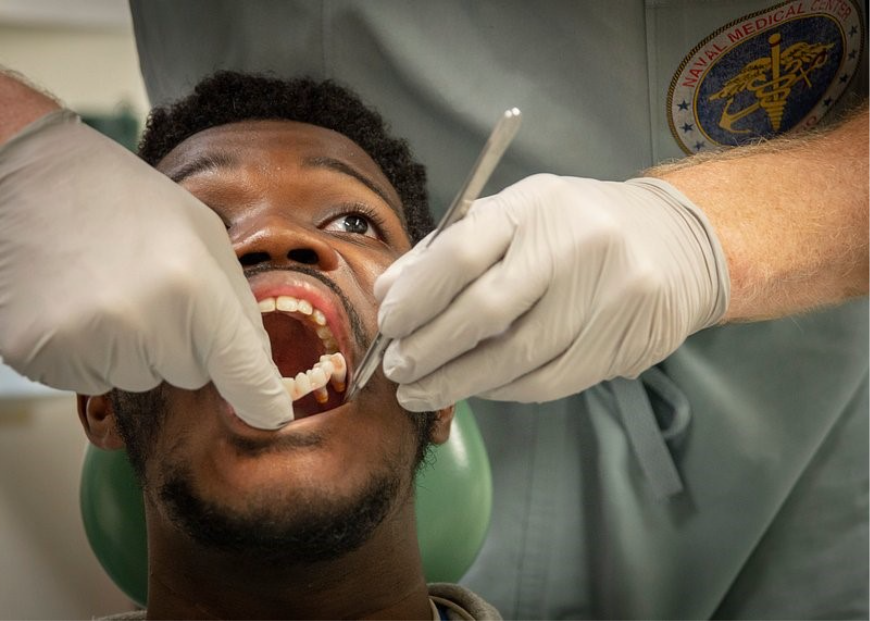
Things to Expect During a Dental Implant Procedure 

Here’s a step-by-step look at what happens during the dental implant. So, if you’re planning to get dental implants in Raleigh NC, read on! 

Step 1: The Initial Consultation 

Every dental implant journey begins with a thorough consultation. Your dentist or oral surgeon will examine your mouth, take X-rays or 3D scans, and review your medical history. This helps determine whether you’re a good candidate for implants. 

During this visit, you’ll also discuss treatment options, timelines, and costs. If your jawbone isn’t thick enough or healthy enough, your dentist may recommend a bone graft before moving forward.  

Step 2: Preparing for Surgery 

Once you’re cleared for implants, your dentist will schedule the procedure. Leading up to surgery, you may receive instructions such as avoiding certain medications or fasting for a few hours. If a tooth needs to be removed first, that might be done in a separate appointment or on the same day as the implant placement. 

If you require a bone graft, that procedure comes before the implant and may take several months to heal before moving to the next phase.  

Step 3: Placing the Implant 

The main event involves surgically placing the titanium implant into your jawbone. This is typically done under local anesthesia, although sedation options may be available for added comfort. 

Your dentist will make a small incision in your gum to access the bone, then carefully place the implant. The gum is stitched closed afterward, and you’ll be sent home with aftercare instructions. 

Step 4: Healing and Osseointegration 

This stage is where the magic happens. Over the next few months, your jawbone will naturally grow around the implant in a process called osseointegration. This creates a solid foundation, just like a real tooth root. 

During this healing time, your dentist may provide a temporary crown or denture to maintain your smile and bite. It’s important to follow all care instructions, including keeping the area clean and attending follow-up visits. 

Step 5: Attaching the Abutment and Crown 

Once the implant has fully integrated, it’s time for the final steps. First, your dentist places an abutment—a small connector that links the implant to your crown. This might require a minor procedure to expose the implant beneath your gums. 

Next, a custom-made crown is attached to the abutment. This crown is designed to match your natural teeth in color, shape, and size. When it’s in place, your smile will look and feel complete. 

Conclusion: Things to Expect During a Dental Implant Procedure 

The dental implant procedure may take several months from start to finish, but the result is well worth it. You’ll gain a strong, natural-looking tooth that can last for decades with proper care. By understanding each step of the process—from consultation to crown—you’ll feel more at ease and prepared. If you’re ready to restore your smile, talk to your dentist about whether implants are the right choice for you. 
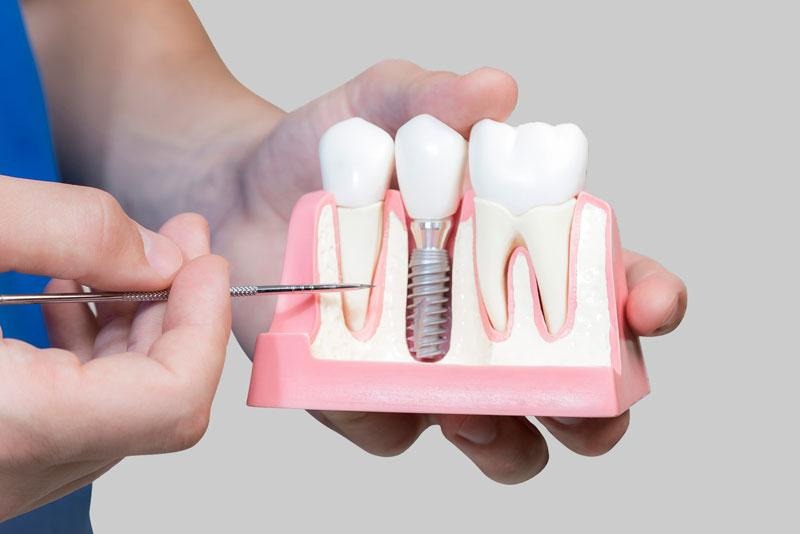
The Truth About Affordable Dental Implants

Dental implants have a reputation for being expensive, and that reputation keeps many people from exploring them as a genuine option for replacing missing teeth. But the conversation around implant affordability is more nuanced than most people realize. Understanding what drives the cost of dental implants, what options exist for making them more accessible, and how to evaluate value versus price helps you make a smarter and more informed decision about your oral health. Keep reading to find out what affordable dental implants really means and what to look for.

How to Find Dental Implants That Fit Your Budget

Cost should never be the only reason someone lives with a missing tooth when better options exist. Patients who explore affordable dental implants Pittsburgh discover that with the right provider and the right financial planning, implants are far more accessible than they initially assumed. Here is what you need to know.

Understand What Drives the Cost of Implants

First and foremost, understanding why dental implants cost what they do helps you evaluate pricing more intelligently. The cost reflects the complexity of the procedure, the quality of the materials used, the expertise of the dental professional performing it, and the technology involved in planning and placing the implant accurately. A significantly lower price often signals a compromise in one or more of these areas that could affect the long-term outcome of your implant. Knowing what you are paying for helps you distinguish between genuinely competitive pricing and a deal that may cost you more in the long run.

Payment Plans and Financing Make Implants Accessible

Furthermore, many dental practices offer flexible payment plans and third-party financing options that spread the cost of implants over time in manageable monthly installments. This makes it possible to move forward with treatment without having to pay the full amount upfront. Dental financing options like CareCredit and similar programs often offer interest free periods that make the investment even more manageable for patients on a budget. Asking your dental provider about available financing options is always worth doing before assuming implants are out of financial reach.

Dental Schools Offer Quality Treatment at Lower Costs

Another option worth considering for cost conscious patients is treatment at an accredited dental school where supervised students perform implant procedures at significantly reduced rates. While the process may take longer than a private practice appointment, the quality of care is closely supervised by experienced dental faculty who ensure that every procedure meets professional standards. 

Never Sacrifice Quality for the Sake of Price

Finally, while affordability is an entirely legitimate concern, it is important to approach bargain implant pricing with careful scrutiny. Implants placed with substandard materials, inadequate planning, or insufficient post operative care carry a much higher risk of failure that ultimately costs far more to correct than a quality implant would have cost in the first place. A failed implant means additional procedures, extended healing time, and greater overall expense. 

Conclusion: How to Find Dental Implants That Fit Your Budget

To wrap it all up, affordable dental implants are a realistic goal for patients who approach the process with the right information and the right provider. Understanding costs, exploring financing, considering dental schools, and prioritizing quality over bargain pricing are the keys to making implants work within your budget. Do not let cost be the reason you continue living with a missing tooth.